
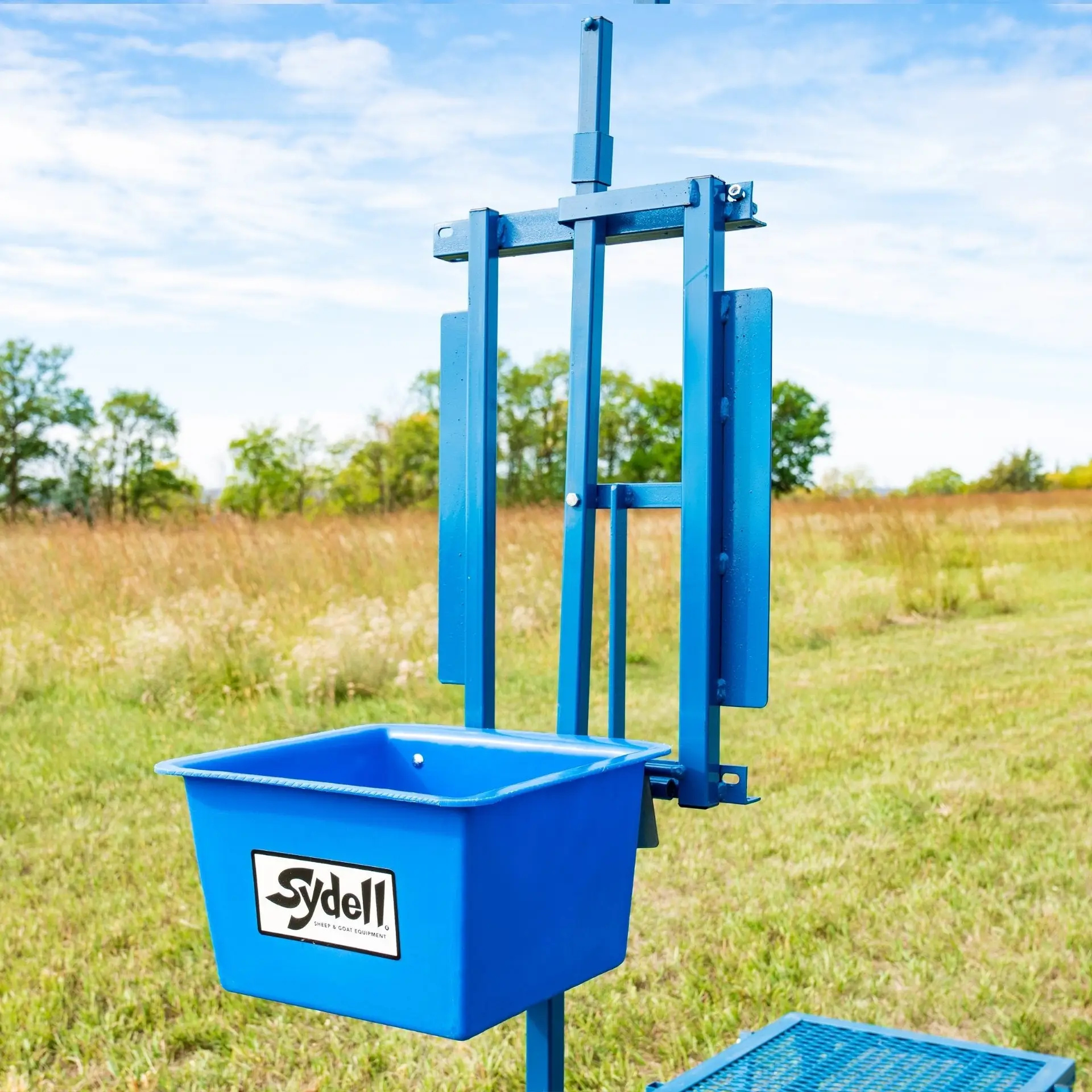
Cattle Mineral Feeder and Oiler Types and Placement
A cattle mineral feeder is a pasture station that holds loose mineral or salt so cattle can eat it free choice, meaning they take what they want when they want it.
Cattle Mineral Feeder and Oiler Types and Placement
A cattle mineral feeder is a pasture station that holds loose mineral or salt so cattle can eat it free choice, meaning they take what they want when they want it. A cattle oiler is a separate rubbing device designed to transfer oil onto the hide as cattle rub against it. Both are placed where the herd already travels, such as near water, along a loafing area, or on the lane between the two. This guide covers the mineral feeders for cattle that Apache offers, how to think about mineral feeder placement, what to ask about durability, and how to work out how many stations you need.
Key Takeaways
- Apache's listed mineral equipment includes round-base and 4-leg-base salt and mineral feeders, a poly self-feeder, and mineral or grain feeder units.
- Place stations on well-drained ground along routes cattle already use, and keep refill access in mind.
- Ask a dealer for model literature before comparing two units on paper. Specifications vary by model.
- Count stations by pasture layout and herd grouping, not by headcount alone.
What Types of Mineral Feeders and Oilers Are There?
Apache lists mineral feeders and oilers among its livestock feeding categories. The listed units include round-base and 4-leg-base salt and mineral feeders, a poly self-feeder, and mineral or grain feeder units. Ask a dealer which styles are available for your operation, then compare them against your pasture layout, your expected refill schedule, and the product literature your dealer supplies.
Cattle Oilers
A cattle oiler, sometimes called a cattle back oiler, is a rubbing device built to transfer oil as cattle rub against it. No Apache oiler specifications were supplied for this article, so confirm the available design, the mounting method and the service routine with a dealer before you choose one. This guide covers equipment type, placement and maintenance questions rather than the products used inside an oiler.
| Decision | What to look at | Ask the dealer |
|---|---|---|
| Which style fits | Pasture size, herd grouping, refill trips | Capacity listed for the model |
| Base type | Ground conditions and how level the site is | Round-base or 4-leg-base options |
| Moving the unit | How often you expect to relocate it | Weight and handling details |
| Oiler setup | Where cattle funnel through the pasture | Design, mounting and service needs |
Where Should You Put Them in a Pasture?
Placement should account for the routes cattle commonly use, the terrain, drainage, and your own access for refilling. Watch the pasture before you settle on a location, then adjust if the station is not being used the way you expected.
Practical Placement Checks
- Choose well-drained ground. Low spots hold water, and a muddy site is hard to service.
- Leave room around water sources and gate openings so the station does not block traffic or the gap you move cattle through.
- Check that you can reach the site with whatever you use to haul mineral.
- Relocate the station if the site becomes muddy, difficult to service, or poorly used.
Oilers follow a slightly different rule. They need a spot where cattle pass often and have room to rub, so gateways, alley entrances and the edge of a loafing area are usually considered first. Anchoring matters here. A mature cow puts real force into a rubbing device, so follow the manufacturer's mounting instructions for the model you buy.
What Makes a Feeder Hold Up Outdoors?
Mineral can be corrosive, and pastures can be rough on equipment. Rather than guessing at construction, ask the dealer for the model's material, lid, base, drainage and maintenance details, then compare those features with the weather, terrain and refill routine in your pasture.
Apache positions its feeding equipment around heavy-gauge construction. Exact gauges, capacities and materials vary by model, so request the applicable brochure or specification sheet before you compare units. The same questions apply when you are sizing other pasture equipment, such as a range feeder for bulk feed: match the unit to the site, the herd and the way you haul things around.
How Many Do You Need?
Work through this in order rather than guessing from herd size alone.
- List your pastures and the number of head in each during the grazing season.
- Mark the water sources, shade and loafing areas on each one. These are your candidate spots.
- Note where terrain, fencing or a creek splits the herd. Assess each separated area on its own.
- Compare the capacity confirmed for your chosen model against how often you can get to that pasture.
- Put oilers at the pinch points cattle already use, then watch how they are used before adding more units.
Base the final count on pasture layout, herd grouping, travel routes and the feeder capacity listed for the model you select. A dealer can help you compare the available styles and literature against your layout.
Where Can You See the Apache Options?
Apache Equipment manufactures livestock feeding and handling equipment in Norfolk, Nebraska, and sells through dealers rather than direct online. Look at the creep and self feeder category too if you are also feeding calves on pasture. When you are ready for pricing, availability and spec sheets, contact a dealer or request literature. Apache products are built and assembled in America with domestic and globally sourced components.
Frequently asked questions
Where should a pasture mineral feeder sit?
Can one mineral feeder serve the whole herd?
What is the difference between a cattle oiler and a rubbing post?
Should I move mineral feeders during the grazing season?
What keeps mineral in good condition in wet weather?
Where can I get specs and prices for Apache mineral feeders?
Choosing the Right Cattle Mineral Feeder for Your Pasture
Picking a cattle mineral feeder comes down to three honest questions.
- How often can you get to that pasture?
- Where do the cattle already walk?
- What does the model literature say about capacity and construction?
Answer those and the shortlist narrows quickly. Put oilers where cattle naturally funnel, mount them as the manufacturer directs, and monitor use and site conditions before deciding whether the setup needs adjustment.
Apache Equipment builds feeding and handling equipment for cattle operations and sells it through dealers. See the full lineup and request literature at Apache Equipment.
Continue Reading
More from the Apache blog
 Equipment
Portable vs Stationary Creep Feeder Options for Your Operation
A creep feeder is a calf-only feeder that lets nursing calves eat supplemental feed while cows are kept out. The portable vs stationary creep feeder choice comes down to how the feeder sits on the ground.
 Equipment
How to Choose a Creep Feeder for Calves by Size, Type and Placement
A creep feeder for calves is a feeder with an opening sized to let calves in while keeping mature cows out, so calves can eat on their own alongside the herd.