
How to Choose a Creep Feeder for Calves by Size, Type and Placement
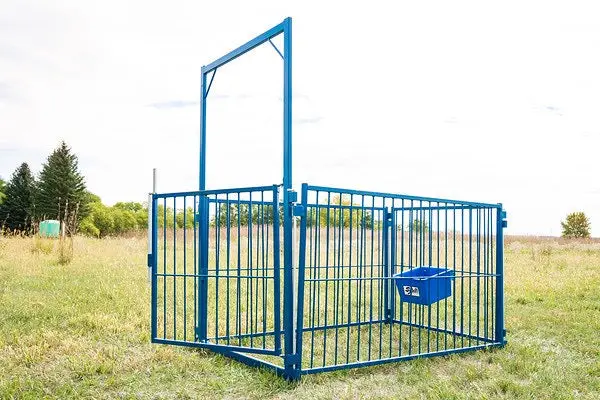
A creep feeder for calves is a feeder with an opening sized to let calves in while keeping mature cows out, so calves can eat on their own alongside the herd.
How to Choose a Creep Feeder for Calves by Size, Type and Placement
A creep feeder for calves is a feeder with an opening sized to let calves in while keeping mature cows out, so calves can eat on their own alongside the herd. To choose one, start with your herd size and work through four questions: how much feed the bin needs to hold between refills, how many calves can reach the trough at once, how well the lid protects feed from weather, and whether the unit needs to move between pastures or stay in one place.
What should you look for in a creep feeder?
Judge a feeder on five practical points before you look at anything else. Apache's creep and self feeder category is a useful place to see how stationary and portable units differ side by side. The points that matter most on a working ranch are these:
- Feed bin capacity. Decides how often you haul feed to the pasture.
- Trough and bunk space. Helps you compare how much feeding access each model provides.
- Calf access gap. The opening or panel that lets calves in and keeps cows out. Check how the calf access opening is set and whether the model offers adjustment as calves grow.
- Weather protection. A weather-protecting lid helps keep rain off the feed.
- Mobility. Whether the feeder stays in one spot or travels with the herd.
When comparing models, look at construction and refill access. Apache's creep feeder page identifies a weather-protecting lid and a ground-level lid opening. Confirm the construction details for the model you are considering with a dealer. Apache equipment is built and assembled in America with domestic and globally sourced components.
How much capacity do you need?
Capacity is really two numbers: how much feed the bin holds, and how much trough space calves can reach. The bin sets your refill schedule. The trough sets how many calves eat comfortably at once. A big bin on a short trough still creates crowding. A long trough paired with a smaller bin may require more frequent refills.
Apache's handling-equipment guidance emphasizes matching capacity to herd size and how often animals use the equipment. Apply that same sizing logic as a general rule when comparing creep feeder models. Count your calves, decide how often you are willing to refill, and size from there.
A step-by-step way to choose
Work through the decision in this order:
- Count your calves and set a refill interval you can live with.
- Compare published bin capacity and trough length across models.
- Choose stationary or portable based on how often your herd moves.
- Confirm the lid, calf-entry setup and any towing details with a dealer.
Work out your own refill interval
The arithmetic is simple. Estimate daily group feed use by multiplying your calf count by the planned daily intake per calf. Then divide the model's published bin capacity by that daily total to estimate the days between refills. Use the current Apache product page or brochure for the model's capacity, and confirm the fit with your dealer before you order.
Capacities vary by model. The Apache creep feeder page shows the current stationary and portable models, and the creep feeder brochure in the resources library lists the figures you need for this calculation.
Stationary or portable: which type fits your pasture?
Apache offers both stationary and portable creep feeders. The right choice depends less on herd size than on how your pastures are laid out and how often cattle move.
| Question | Stationary creep feeder | Portable creep feeder |
|---|---|---|
| Best fit | One pasture or a fixed creep area | Pastures where the feeder needs to move with the herd |
| Moving it | Confirm how the stationary model is positioned and moved | Confirm the portable model's running gear and towing requirements |
| Ground conditions | Site it on firm, well-drained ground | Check ground conditions and discuss suitable placement with your dealer |
| Ask your dealer about | Mounting, panel options, bin size | Axle rating, tongue and towing speed |
If cattle move between pastures, compare portable options and their towing requirements. If the feeder will stay in one creep area, compare stationary options and the site preparation they need.
Where should you place a creep feeder?
Good creep feeder placement puts the feeder where calves already spend time. Consider areas where cows and calves naturally congregate, such as near water or shade. Choose a location calves can reach easily and that allows safe access for refilling.
Three practical placement habits help:
- Pick firm, well-drained ground so the approach does not turn to mud.
- Leave room for your feed truck or tractor to pull alongside the lid.
- Keep the calf access gap clear of gates, fence corners and pinch points, so calves slip in and out without pressure from cows.
Watch whether calves are finding and using the feeder after it is placed. If access looks poor, reassess the location, including whether a water or shade area would better fit the pasture traffic pattern.
What features keep feed dry and easy to refill?
A weather-protecting lid is an important feature when feed may be exposed to rain. A lid you can open from ground level also makes refilling easier.
Ask your dealer how feed moves from the bin to the trough, how the trough handles moisture, and what access-panel and refill features are available on the model you are considering. Have the dealer walk you through the lid and the calf-entry setup before you order.
How do you get the right model through a dealer?
Apache equipment is sold through dealers, so arrive with your key numbers ready. Download the creep feeder brochure from the Apache resources and literature library and bring your calf count, your pasture layout and the distance you would tow the feeder. This gives the dealer the details needed to discuss suitable models.
Ask the dealer to confirm capacity, trough length, calf access setup and, for portable units, the axle rating. These figures vary by model, so take them from the current brochure or product page rather than from memory.
Frequently asked questions
What size creep feeder do I need for 50 calves?
How do you keep cows out of a calf creep feeder?
Is a portable or stationary creep feeder better?
How often should you refill a creep feeder?
Where can I see Apache creep feeder specifications?
Choosing the right creep feeder for calves
Work in order and the decision gets simple. Count your calves, set a refill interval you can live with, decide whether the feeder stays put or travels, then check the lid and the access gap before you compare anything else. For a creep feeder for calves that fits your herd and pasture setup, confirm the published figures with a dealer, since capacity and axle ratings differ by model. Ready to compare models? Request a local dealer connection from Apache and bring your herd numbers along.
Apache Equipment manufactures livestock feeding and handling equipment and sells it through dealers. See the full range of feeders, panels and handling systems at Apache Equipment.
Continue Reading
More from the Apache blog
 Equipment
Portable vs Stationary Creep Feeder Options for Your Operation
A creep feeder is a calf-only feeder that lets nursing calves eat supplemental feed while cows are kept out. The portable vs stationary creep feeder choice comes down to how the feeder sits on the ground.
 Equipment
How to Choose the Right Creep Feeder Single vs Multi Sided
Every cattle producer wants heavier, healthier calves at weaning. Creep feeding is one of the most practical ways to get there. By giving calves access to supplemental feed while keeping cows out, you can support growth when pasture quality drops, ease the stress of weaning and help calves reach market weights more efficiently.