How to Choose the Right Creep Feeder Single vs Multi Sided
Every cattle producer wants heavier, healthier calves at weaning. Creep feeding is one of the most practical ways to get there. By giving calves access to supplemental feed while keeping cows out, you can support growth when pasture quality drops, ease the stress of weaning and help calves reach market weights more efficiently.
But results depend heavily on the equipment you choose. A creep feeder that is too small, poorly placed or hard for calves to reach can lead to wasted feed, uneven gains and extra work. One of the biggest decisions is whether to buy a single sided or multi sided creep feeder. In this guide, we explain how each design works, which herds each one suits, and the other features that matter when choosing the right creep feeder for your operation.
What a Creep Feeder Does
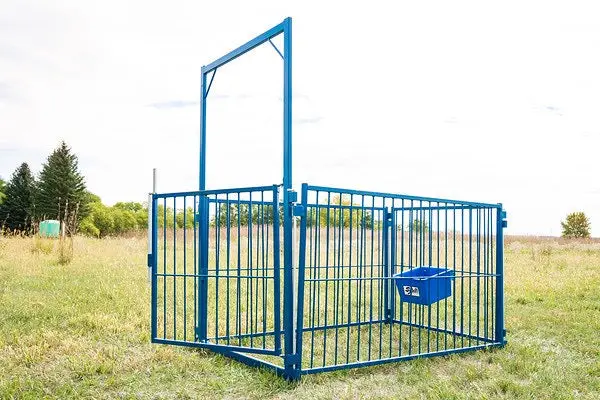
A creep feeder holds grain or a creep ration and allows calves to eat while keeping larger cows away. It does this with a creep panel or gated openings sized so calves can step through to reach the feed, while mature cows cannot. Inside the enclosed area, calves eat freely without competition from the herd.
Creep feeding is most useful in specific situations. It helps when pasture forage quality declines in late summer, during drought when grazing is limited, for calves from first calf heifers or older cows with lower milk production, and in operations that want to increase weaning weights or prepare calves for the feedlot. Calves that already know how to eat from a feeder also tend to transition more smoothly at weaning.
Whether creep feeding pays depends on feed costs, calf prices and your marketing plan, so it is worth running the numbers with your nutritionist or extension advisor before starting. Once you decide to creep feed, the right equipment makes all the difference.
Single Sided Creep Feeders
A single sided creep feeder allows calves to access feed from one side only. These units are often placed along a fence line or against a building, with the feeding side facing the pasture.
Advantages of Single Sided Feeders
Ideal for smaller herds. When you have fewer calves, one feeding side usually provides enough access without crowding.
Easy fence line placement. Because only one side needs to be open to calves, a single sided feeder fits neatly along fences, in lots or near working pens. This placement can also make it easier to fill the feeder from outside the pasture without driving through cattle.
Simple management. With one access side, it is easy to watch calves eat, check feed levels and spot problems such as caked or spoiled feed.
Smaller footprint. Single sided units take up less space, which helps in tight lots or smaller pastures.
Limitations of Single Sided Feeders
The main drawback is limited access. As your calf numbers increase, more calves compete for the same feeding space. Dominant calves may push timid calves away, which leads to uneven intake and inconsistent weight gains across the group. In larger herds, a single sided feeder can also create crowding and mud around the one feeding side.
Multi Sided Creep Feeders
Multi sided creep feeders, most commonly double sided designs, give calves access from two or more sides. They are often placed in the open pasture where calves can approach from several directions.
Advantages of Multi Sided Feeders
More calves eat at once. Additional feeding space reduces competition, so more calves can eat at the same time. That supports more even intake and more consistent gains across the calf crop.
Better for larger herds. Operations with larger calf groups benefit from the extra access, since a single feeding side can quickly become a bottleneck.
Less bullying at the feeder. With more space available, timid or younger calves have a better chance to eat without being pushed away by larger, more aggressive calves.
Flexible placement. Multi sided feeders work well in open pastures and central locations, where calves can approach from different directions.
Limitations of Multi Sided Feeders
Multi sided units usually need more open space and are less suited to tight fence line placement. With more open sides, feed can also face more exposure to wind and rain, so consider weather protection and placement carefully. They may also cost more than smaller single sided units and are typically larger and heavier to move.
Single vs Multi Sided Creep Feeder: How to Decide
The right choice comes down to herd size, pasture layout and how you plan to manage feeding.
A single sided creep feeder is often the better fit for smaller herds, fence line or lot placement, operations that want to fill feeders from outside the pasture, and tight spaces where a compact footprint matters.
A multi sided creep feeder is often the better fit for larger calf groups, open pasture placement, herds with a wide range of calf ages and sizes, and operations where reducing competition at the feeder is a priority.
If you run multiple pastures with different herd sizes, many producers use both types, placing single sided units in smaller groups and multi sided feeders where larger groups graze.
Choosing the Right Capacity
Capacity determines how often you need to refill the feeder. A feeder that is too small means frequent trips to the pasture, while one that is too large may hold feed long enough for it to go stale or spoil.
To estimate capacity, think about how many calves will use the feeder, how much they will eat each day as they grow and how often you want to refill. Calf intake increases as calves get older, so plan for peak consumption late in the creep feeding period rather than early.
Apache creep and self feeders are available in a range of capacities, including 70 bushel, 160 bushel, 225 bushel and 300 bushel models, with lengths from 8 feet to 16 feet. Smaller 70 bushel units suit smaller herds or operations that refill often, while larger 225 and 300 bushel feeders reduce refill frequency for bigger calf crops. Browse the full lineup on our creep and self feeder page.
Wheels or Skids?
How you move your creep feeder matters as much as how it feeds.
Feeders on wheels are easy to move between pastures and around a single pasture. Moving the feeder regularly helps reduce mud, manure buildup and trampled ground around the feeding area, and it lets you follow cattle during rotational grazing. Wheeled units are ideal for operations that graze multiple pastures or move cattle often.
Feeders on skids stay put and offer a stable, low profile base. Skid mounted units can still be dragged to a new spot with a tractor or truck, but they are best suited to feeders that will stay in one location for long periods, such as in a lot or near working pens.
Apache offers both wheeled and skid mounted creep feeders in single and double sided configurations, so you can match mobility to the way you manage your pastures.
Build Quality Features That Matter
A creep feeder lives outdoors year round and takes a beating from cattle, weather and moving. Look closely at how it is built before you buy.
Heavy gauge steel and strong framing resist dents and damage from cattle rubbing and pushing. Full frame construction, reinforced tongues and sturdy axles help wheeled feeders handle rough pasture travel.
Protective finishes such as galvanized steel help resist rust and extend service life, especially in wet climates.
Well designed creep panels let calves in and keep cows out. Setting the openings correctly is essential, and many producers adjust their creep setup as calves grow during the season.
Smooth feed flow keeps feed moving to the trough without bridging or caking. A feeder that keeps feed dry and flowing reduces waste and spoilage.
For a broader look at equipment that keeps feed efficient and animals healthy, our article on livestock feeding and handling equipment for efficiency covers the full system.
Where to Place Your Creep Feeder
Placement has a big impact on how quickly calves start using the feeder. Calves pick up habits by following their mothers, so place the feeder near areas where cows naturally gather, such as water sources, shade or loafing areas. When calves spend time nearby, they discover the feed faster.
Choose a well drained, level location to reduce mud and keep the feeder stable. If you notice heavy traffic, manure buildup or soft ground forming around the feeder, move it to a fresh spot. Pairing feeder placement with your grazing plan works especially well, and our guide to cattle fencing systems for rotational grazing explains how to design pastures that make moving equipment easier.
Creep Feeders as Part of a Complete Feeding Program
A creep feeder works best alongside the rest of your feeding equipment. Hay feeders, mineral feeders and water systems all support herd health and calf performance. Our article on hay feeding equipment for cattle operations covers ways to reduce hay waste, and our guide to mineral feeders and cattle oilers for beef operations explains how proper mineral access supports growth and health.
Good calf performance also starts at birth. Our guide on calving equipment and season preparation helps you set up for a strong calving season that leads into a successful creep feeding program.
Choose the Right Creep Feeder for Your Herd
The best creep feeder is the one that matches your herd size, pasture layout and management style. Single sided feeders work well for smaller herds and fence line placement, offering simple management in a compact footprint. Multi sided feeders give larger calf groups more access, reduce competition and support more even gains. Add the right capacity, the right mobility and solid steel construction, and your creep feeder will serve your operation for years.Apache Equipment builds heavy duty creep and self feeders in single and double sided designs, on wheels or skids, in sizes from 70 to 300 bushels.
Continue Reading
More from the Apache blog
 Equipment
How Different Farm Equipment Types Improve Productivity and Reduce Operational Costs in Agriculture
Modern agriculture is no longer just about land and labor. It is increasingly driven by efficiency, mechanization, and smart equipment selection. Farmers today rely on a wide range of specialized machines and attachments to handle transportation, soil preparation, material handling, and field maintenance.
 Equipment
Water Systems for Cattle Operations Tanks, Waterers, and What Actually Works
Feed programs get most of the planning attention on a cattle operation, and water access often gets treated as an afterthought, something assumed to be handled until a tank freezes solid, a float valve fails, or cattle start bunching up around a single water point and tearing up the ground around it.