Modern Livestock Facility Design Building Efficient Cattle & Sheep Handling Systems
Livestock operations today are no longer just about fencing and open pasture management. Modern ranching has evolved into a highly organized system where facility design directly impacts productivity, animal welfare, and handler safety.A well-planned livestock facility integrates multiple components such as chutes, tubs, alleys, gates, panels, and specialized equipment. Each element works together to streamline animal movement, reduce stress, and improve operational efficiency.Designing these systems correctly can significantly reduce labor time, prevent injuries, and create a safer environment for both livestock and handlers.
Modern Livestock Facility Design Building Efficient Cattle & Sheep Handling Systems
Livestock operations today are no longer just about fencing and open pasture management. Modern ranching has evolved into a highly organized system where facility design directly impacts productivity, animal welfare, and handler safety.A well-planned livestock facility integrates multiple components such as chutes, tubs, alleys, gates, panels, and specialized equipment. Each element works together to streamline animal movement, reduce stress, and improve operational efficiency.Designing these systems correctly can significantly reduce labor time, prevent injuries, and create a safer environment for both livestock and handlers.
Why Facility Design Matters in Livestock Operations
Efficient livestock handling is not accidental it is engineered.
Poor facility layout can lead to:
- Increased animal stress
- Higher injury risk
- Slower processing times
- Inefficient labor usage
- Handling bottlenecks
In contrast, a properly designed system improves flow, reduces resistance from animals, and allows handlers to work more safely and efficiently.
Modern ranch design focuses on smooth movement, controlled pressure points, and low-stress handling techniques that align with animal behavior patterns.
Chutes, Tubs & Alleys The Core Movement System
At the heart of every livestock facility is the movement system composed of chutes, tubs, and alleys.
A tub acts as the starting point where animals are gently gathered and directed into a controlled path. Its curved structure naturally encourages forward movement, reducing hesitation and panic.
From the tub, animals move into an alley, which is designed to guide them in a straight, single-file line. Proper alley design prevents turning and backing up, ensuring consistent flow.
Finally, the chute provides controlled access for handling tasks such as vaccination, tagging, or inspection. It securely restrains animals while allowing safe access for workers.
Together, these three systems form the backbone of efficient livestock processing.
Free Standing Panels Flexibility in Ranch Layouts
Free standing panels are essential for creating adaptable livestock spaces.
Unlike permanent fencing, these panels can be quickly rearranged to:
- Create temporary holding pens
- Separate herds
- Build sorting areas
- Expand working zones during peak seasons
Their flexibility allows ranchers to adjust layouts based on herd size and operational needs without requiring permanent construction.
This adaptability makes them a valuable tool in both small and large-scale livestock operations.
Continuous Fence Systems Long-Term Structural Control
Continuous fencing is designed for permanent livestock containment and boundary control.
It provides strong structural integrity for:
- Large pasture boundaries
- Feedlot perimeters
- Permanent holding areas
Unlike portable systems, continuous fencing is built to withstand long-term pressure from large herds and environmental conditions.
Its durability reduces maintenance requirements while ensuring consistent containment and safety across the entire property.
Panels & Carriers Mobile Livestock Infrastructure
Panels and carriers bring mobility into livestock facility design.
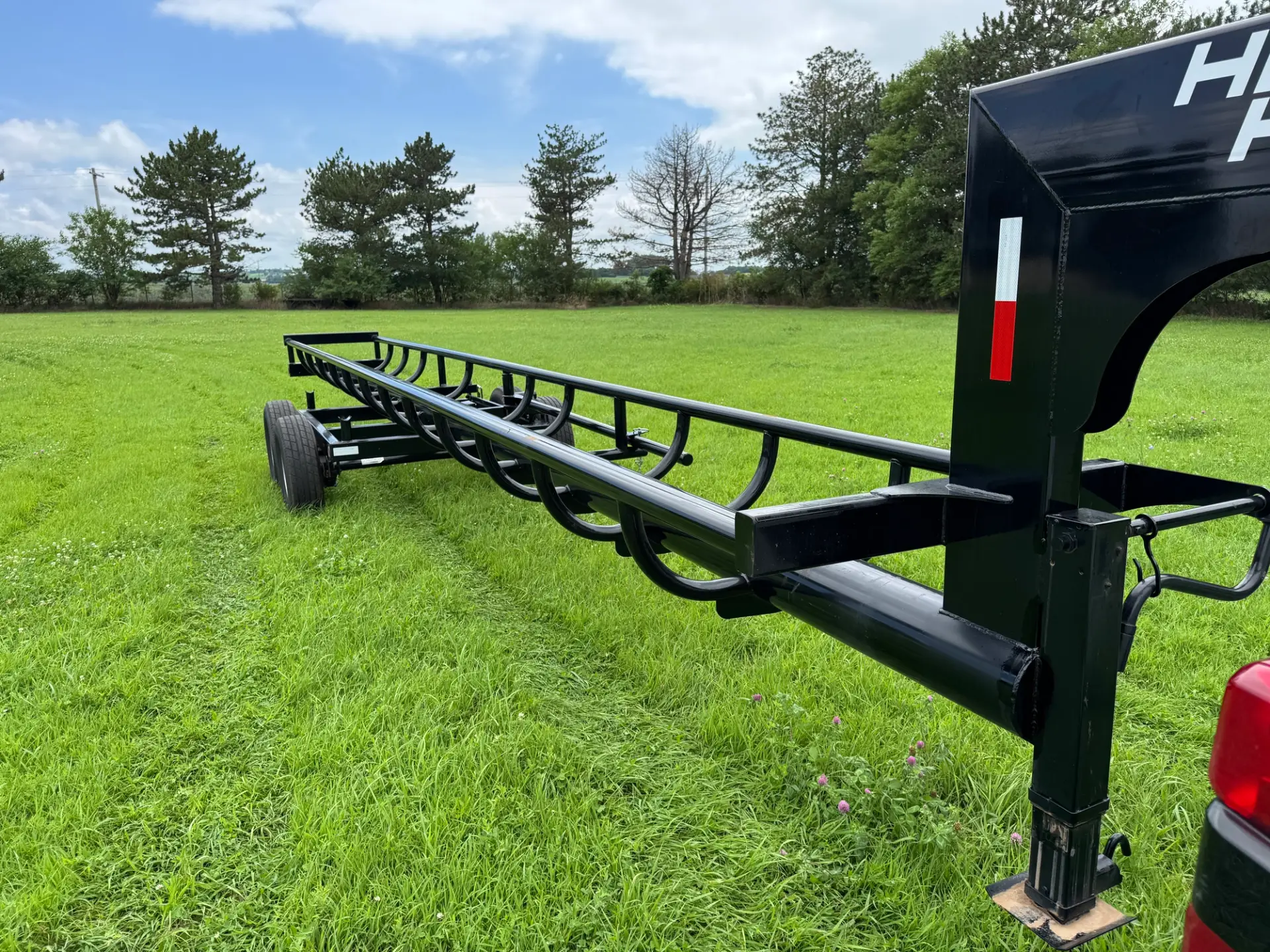
Carriers allow easy transport and storage of panels, making it possible to deploy handling systems in multiple locations across a ranch.
This is especially useful for:
- Rotational grazing systems
- Remote pasture management
- Temporary working corrals
- Seasonal livestock movement
This mobility improves operational efficiency by reducing setup time and increasing flexibility across different ranch zones.
Loading Chutes Safe Transport Transition Systems
Loading chutes play a critical role in moving livestock safely from ground level into transport vehicles.
A properly designed loading chute reduces stress and prevents injury by providing:
- Stable footing surfaces
- Controlled incline angles
- Side containment barriers
- Alignment with trailers or trucks
Efficient loading systems reduce transportation time and minimize animal resistance during transfer.
They are a key component in modern livestock logistics.
Gates Control Points for Movement Management
Gates are essential for directing livestock flow and controlling access within handling systems.
They are used to:
- Separate animals into groups
- Control entry and exit points
- Direct movement through alleys and chutes
- Improve safety during handling operations
Different gate types allow for customized control depending on herd size and facility layout.
Strategic gate placement is one of the most important factors in optimizing livestock flow efficiency.
Calving Accessories Supporting Animal Health During Birth
Calving is one of the most sensitive phases in livestock management, requiring specialized equipment and controlled environments.
Calving accessories are designed to support:
- Safe delivery conditions
- Veterinary assistance access
- Calf protection during early stages
- Controlled movement of mother animals
These systems reduce risks during birth and ensure both cow and calf safety.
Proper calving setups also improve recovery time and reduce complications in herd management.
Shades and Shelter Systems: Environmental Protection
Environmental control is a critical part of livestock facility design.
Shade structures protect animals from extreme heat, sunlight, and weather conditions.
Benefits include:
- Reduced heat stress
- Improved weight gain
- Better feed efficiency
- Enhanced overall animal comfort
Providing shaded areas within holding and feeding zones significantly improves herd performance and well-being.
Sheep Handling Equipment Specialized Design for Smaller Livestock
Sheep handling systems require different design considerations compared to cattle systems.
Sheep equipment is typically:
- Narrower in structure
- Designed for gentle flow
- Optimized for smaller animal size
- Built for low-stress movement
Key components include compact alleys, lightweight panels, and smooth-flow chutes that minimize stress and improve handling speed.
Proper sheep facility design ensures efficiency without compromising animal welfare.
Building an Efficient Livestock Facility System
The most effective livestock facilities are not built from individual components alone, but from integrated systems.
A well-designed setup ensures:
- Smooth animal flow from start to finish
- Minimal handling resistance
- Reduced labor requirements
- Improved safety for handlers
- Higher operational efficiency
Each component from panels to loading chutes plays a specific role in maintaining this balance.When combined correctly, these systems create a seamless livestock handling environment.
Final Thoughts
Modern livestock facility design is centered around efficiency, safety, and animal welfare.By integrating chutes, tubs, alleys, gates, panels, and specialized equipment, ranchers can build systems that significantly improve productivity while reducing stress for both animals and workers.A properly designed livestock system is not just infrastructure it is a long-term investment in operational success, safety, and sustainability.
Continue Reading
More from the Apache blog
 Equipment
How to Choose the Right Creep Feeder Single vs Multi Sided
Every cattle producer wants heavier, healthier calves at weaning. Creep feeding is one of the most practical ways to get there. By giving calves access to supplemental feed while keeping cows out, you can support growth when pasture quality drops, ease the stress of weaning and help calves reach market weights more efficiently.
 Equipment
How Different Farm Equipment Types Improve Productivity and Reduce Operational Costs in Agriculture
Modern agriculture is no longer just about land and labor. It is increasingly driven by efficiency, mechanization, and smart equipment selection. Farmers today rely on a wide range of specialized machines and attachments to handle transportation, soil preparation, material handling, and field maintenance.