
When to Use a Range Feeder for Cattle on Pasture
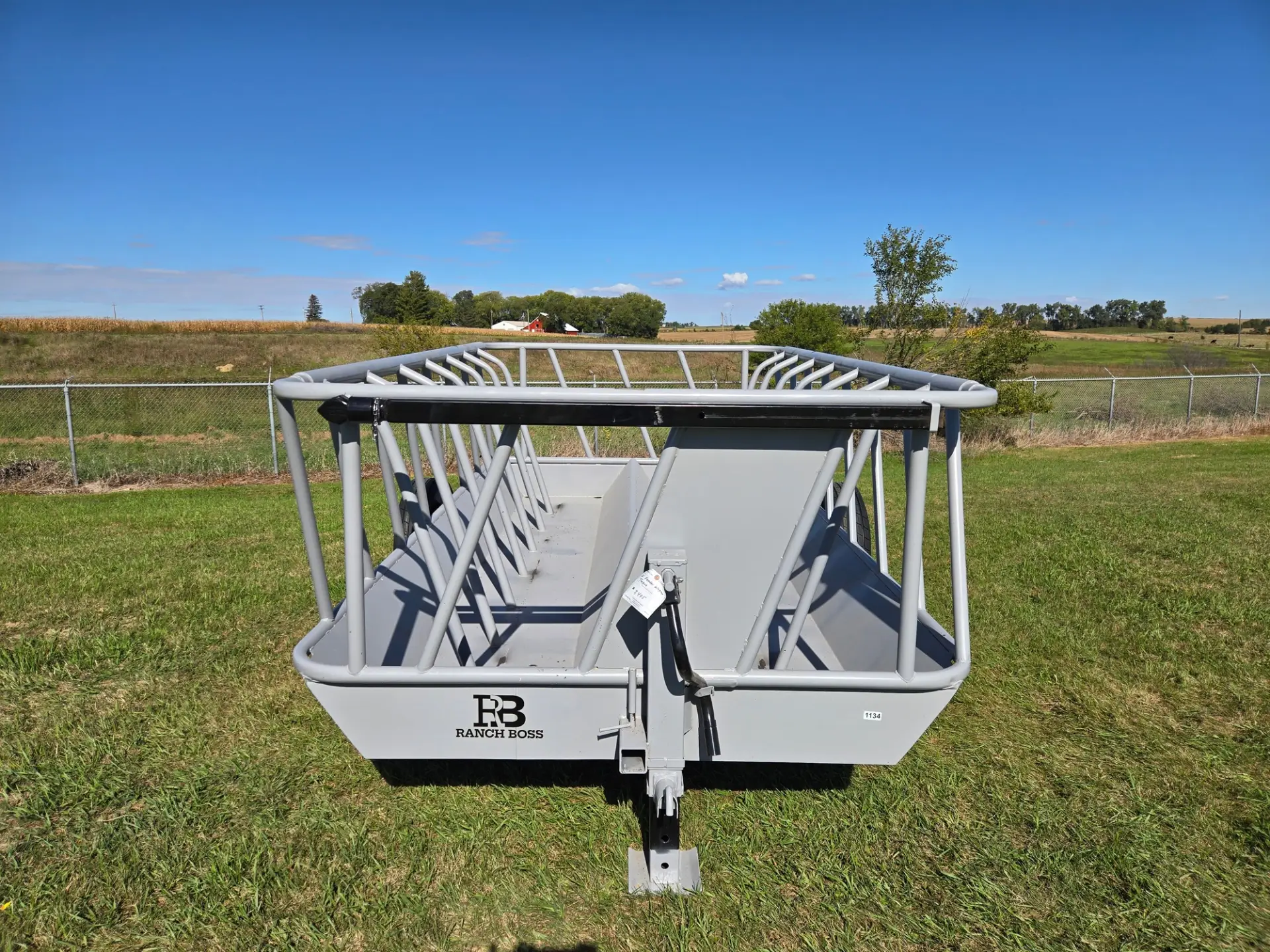
A range feeder for cattle is equipment used to keep supplemental feed available to a cow herd out on pasture, instead of hauling the herd back to a lot to feed.
When to Use a Range Feeder for Cattle on Pasture
A range feeder for cattle is equipment used to keep supplemental feed available to a cow herd out on pasture, instead of hauling the herd back to a lot to feed. Apache offers range feeders within its livestock feeding line. Confirm the feed types, capacity, protection features and transport setup for a specific model with a dealer. You fill the feeder on a schedule that suits your pasture and your herd.
What Is a Range Feeder?
A range feeder is a feed hopper on a frame, intended for use out in open country. Feed moves from the hopper to a trough or feed openings, so cattle take what they need. Models are offered in different sizes and setups. Apache offers range feeders as part of its livestock feeding line, shown in the range feeder product category, along with creep feeders, bunks, feed bins and hay feeders.
Three things matter most when you look at any cattle range feeder:
- Capacity. How much feed the hopper holds decides how often you drive out to refill.
- Mobility. Ask which mounting and transport options are available for the model you are considering, and whether they fit your vehicle and pasture access.
- Construction. Ask about the feeder's construction, lid design and maintenance needs for your expected use.
When Does a Range Feeder for Cattle Make Sense?
A range feeder is worth pricing when the feed has to travel to the cattle. On a large pasture, compare your current feeding trips with a pasture-based feeder routine. Choose a location based on cattle movement, ground conditions and access for refilling, while avoiding concentrated traffic areas.
Remote locations are the second common case. If a pasture is miles from the headquarters, or the road in turns soft after rain, a larger hopper means fewer trips. Rotational grazing is a third. When cattle shift between pasture areas, ask the dealer whether the model you are considering can be moved between feeding locations and which transport setup it requires.
A range feeder is less useful if your cattle already come to a bunk line every day, or if your supplement program is short and seasonal. The honest test is simple. Count the miles and minutes your current feeding routine costs each week, then compare that to the cost of a feeder that cuts the trips down.
How Is It Different From a Creep Feeder?
The difference is who eats and where. A range feeder serves the whole cow herd on pasture. A creep feeder is built so that only calves can reach the feed, which lets you feed the calf crop without feeding their mothers. A stationary hay feeder is intended for hay feeding at a set location, such as a yard or winter feeding ground.
| Feeder type | Who it feeds | Typical use | Where it sits |
|---|---|---|---|
| Range feeder | Whole cow herd | Supplemental feeding on pasture | Pasture feeding location, with movement options confirmed by the dealer |
| Creep feeder | Nursing calves only | Creep feeding the calf crop | Near the cow herd, calves enter |
| Stationary hay feeder | Cattle at a set feeding spot | Hay feeding | Fixed yard or winter ground |
Many operations run more than one. If you are weighing a calf feeder alongside a pasture feeder for cattle, the creep and self feeder category and the stationary hay feeder category show the options available for those jobs.
How Do You Move and Refill One?
Moving and filling a feeder is the part ranchers underestimate. Work through it before you buy.
- First, pick your filling point. Decide whether the feeder comes home to a bin or auger, or whether you haul feed out in bags or a bulk box.
- Second, match the transport setup to your vehicle. Ask the dealer which transport setup is available for each model and what vehicle is appropriate for moving it.
- Third, check lid access and fill height. You will be opening that lid in wind, mud and cold. Confirm you can reach it safely from whatever you fill with.
- Fourth, set a refill schedule. Estimate daily intake for the herd, divide the hopper capacity by that number, and you have your days between trips.
- Fifth, plan the set location. Firm ground and good drainage keep mud and traffic damage down.
Here is a simple hypothetical to show the arithmetic. If 50 cows eat 3 pounds of supplement a day, the herd uses 150 pounds daily. A hopper holding 1,500 pounds would run about ten days between fills. Use your own intake rate and the capacity listed for the model you are considering.
What Should You Ask a Dealer?
Apache equipment is sold through dealers, so the dealer is the right source for current capacities, dimensions, weights and options. Walk in with your pasture numbers and ask:
- What is the rated capacity of each model, and how does that match my herd size and refill interval?
- What mounting and transport options are available, and which fits my vehicle?
- Which feed types is the hopper and feed opening designed to handle?
- How many head can eat at once, and how is the feed flow adjusted?
- What does the empty unit weigh, and what does it weigh loaded?
- Can anything be customized for my layout, and what parts and literature are available later?
If you do not have a dealer yet, Apache's dealer request page is the place to start. Apache also offers product literature, including a range feeder brochure, which is worth requesting before you compare models.
Frequently asked questions
What feed goes in a range cubes feeder?
How big a range feeder do I need?
Can one person move a portable cattle feeder alone?
Should I use a range feeder or a feed bunk?
Where should I set a feeder in the pasture?
Does a range feeder replace hay feeding?
Choosing the Right Range Feeder for Cattle on Your Place
The decision comes down to three numbers and one honest look at your routine: how much supplement the herd eats, how far the pasture is, and what you can pull out there. If gathering cattle or making extra trips is eating your week, a range feeder for cattle may be worth pricing. Match capacity to your refill schedule, match the transport setup to your vehicle, and let the dealer confirm the specifications for the model you choose.
Apache Equipment manufactures heavy-gauge livestock feeding, handling and hay equipment, built and assembled in America with domestic and globally sourced components, and sold through dealers. To compare feeder categories, request literature or find a dealer near you, visit Apache Equipment.
Continue Reading
More from the Apache blog
 Equipment
Cattle Mineral Feeder and Oiler Types and Placement
A cattle mineral feeder is a pasture station that holds loose mineral or salt so cattle can eat it free choice, meaning they take what they want when they want it.
 Equipment
Portable vs Stationary Creep Feeder Options for Your Operation
A creep feeder is a calf-only feeder that lets nursing calves eat supplemental feed while cows are kept out. The portable vs stationary creep feeder choice comes down to how the feeder sits on the ground.